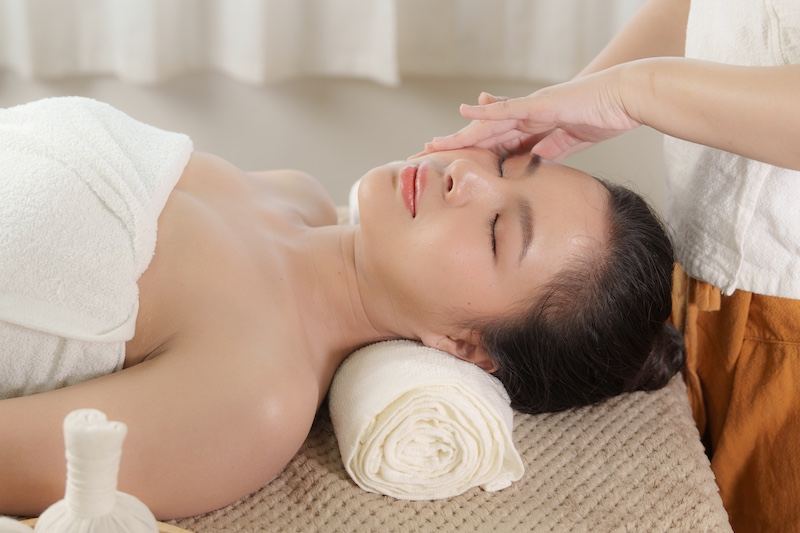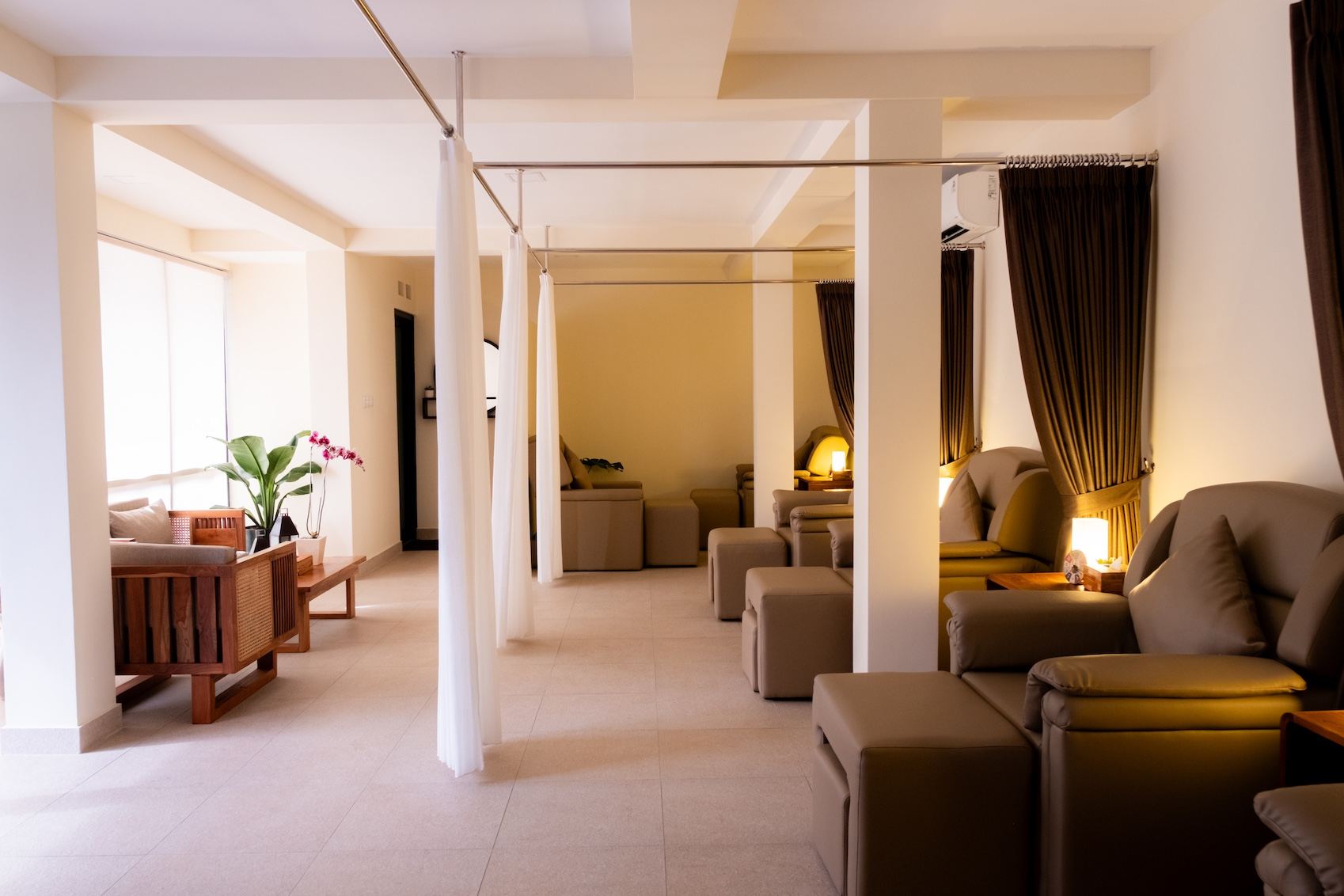
Foot reflexology is a time-honoured technique that stimulates pressure points on the feet to promote relaxation and a sense of balance. At Sari Day Spa it costs IDR 235K for 60 minutes or IDR 275K for 90 minutes, at Jalan Batur Sari in Sanur. We're open daily 9AM–9PM, with the last appointment at 7:30PM.
Foot Reflexology prices
| Treatment | Duration | Price |
|---|---|---|
| Foot Reflexology | 60 min | IDR 235K |
| Foot Reflexology | 90 min | IDR 275K |
Prefer a simple soothing treatment? See Foot Massage (60 min IDR 215K).
Prices in Indonesian rupiah (IDR). K = thousand.
What is foot reflexology?
Reflexology is a therapy that applies firm, specific pressure to mapped points, usually on the feet, using the thumbs and fingers. It rests on a traditional idea: that areas of the foot correspond to other parts of the body, so working a point is believed to affect the area it is linked to. The result, whatever you believe about the map, is a thorough, focused and often surprisingly relaxing treatment.
It is different from a general foot massage. A foot massage soothes the foot's own tissue with gliding and kneading. Reflexology is systematic, working through the foot zone by zone with sustained thumb pressure.
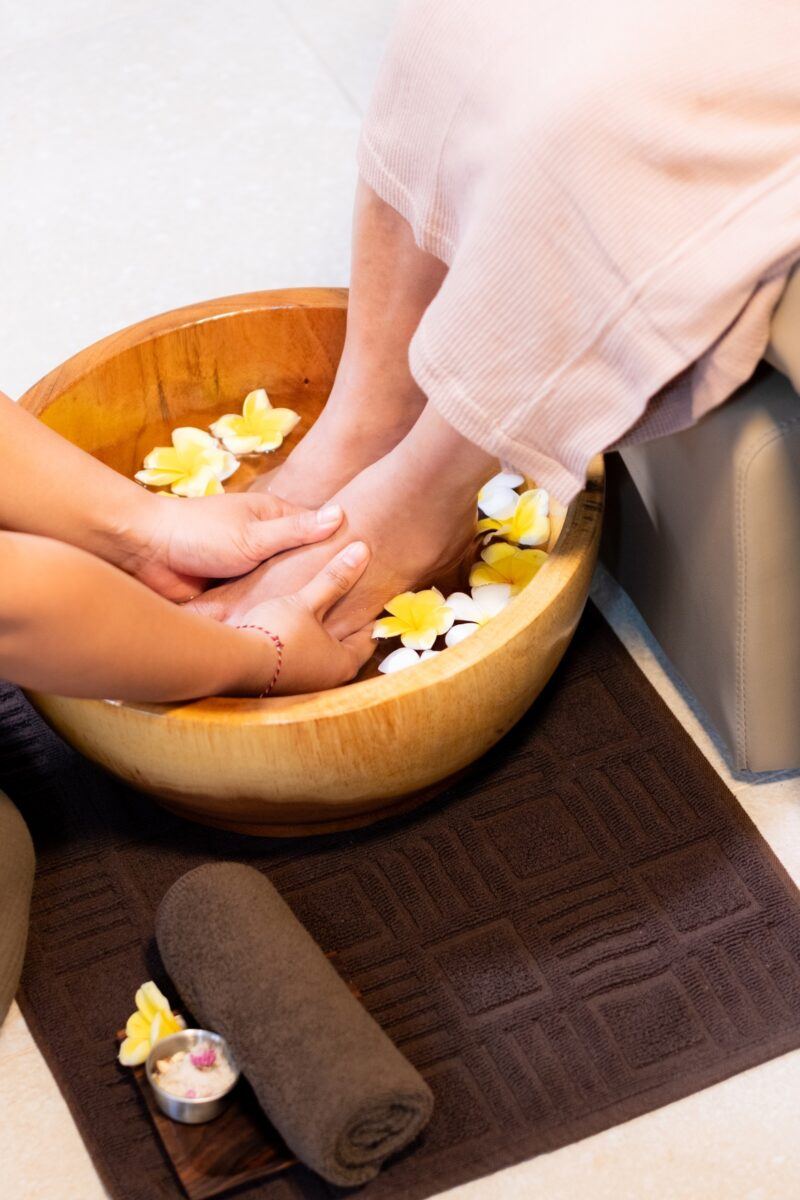
Where reflexology comes from
Foot treatments are very old. A wall painting in an Egyptian tomb dated to around 2330 BC is often cited as one of the earliest depictions of foot treatment, though whether it shows reflexology is debated. Chinese medical texts also describe examining and treating the feet, and foot symbols appear on Buddha statues in India and China.
Modern reflexology is more recent and Western. In the early 1900s, an American doctor, William Fitzgerald, described 'zone therapy', in which the body is divided into ten vertical zones running from head to toe and pressure on one part is thought to affect others in the same zone. A physiotherapist, Eunice Ingham, developed the foot maps used today in the 1930s, and brought the technique to the public as foot reflexology.
The foot zone chart
Reflexology charts divide the foot into regions that are said to correspond to areas of the body. The common pattern is simple: the toes relate to the head and sinuses, the ball of the foot to the chest and shoulders, the arch to the digestive area, and the heel to the lower back and pelvis. The chart below is a simplified illustration of that idea.
What the science says, honestly
This is the part many spa pages leave out. Reviews of reflexology research have not found convincing evidence that pressing a point on the foot affects the organ it is said to map to. A well-known 2009 review of randomised trials concluded the evidence did not show reflexology to be an effective treatment for any medical condition, and later reviews describe the research as low quality, with some studies suggesting benefits for relaxation, anxiety and pain.
So we do not say reflexology treats illness. What we can say is that it is a calm, attentive, hands-on treatment in which you lie back for an hour or more while your feet are worked thoroughly, which many people find deeply relaxing, and relaxation is a real benefit. A tender point is not a diagnosis, and a reflexology chart is no substitute for seeing a doctor.
What happens in your session
At Sari Day Spa, a reflexology session goes like this:
- ConsultationYour therapist asks about pressure and any conditions affecting your feet or legs.
- Warm-upFeet and lower legs are warmed with slow strokes to relax the foot.
- Zone by zoneThumb and finger pressure works methodically across the sole, from the toes to the heel, with extra time where you are tender.
- Lower legsPressure continues up the ankles and calves to ease tightness.
- Slow finishThe pressure softens and the treatment ends with calming strokes.
Who it suits, and when to book it
Reflexology suits people who like firm, specific pressure, who are on their feet a lot, or who want a longer, quieter treatment than a full-body massage. It is a popular choice on a rest day, after a lot of walking, or when you have an hour to spare before dinner.
Choose 60 minutes for a solid session and 90 minutes for a more unhurried one. If you have diabetes, neuropathy, circulation problems, foot wounds, are pregnant or have had recent foot injuries, check with your doctor and tell us before booking.
Foot massage vs foot reflexology
Same body part, different intention:
Foot massage
Gliding, kneading and pressure on the foot's tissue for comfort and relief. Same area, simpler aim.
Foot reflexology
Point-by-point pressure based on a zone map, usually firmer and more systematic. Longer option available at 90 minutes.
Your oil: Sensatia Botanicals
Every massage here uses Sensatia Botanicals, a natural skincare brand made in Bali. The oil does real work: it lets the therapist's hands glide without dragging the skin, and it leaves your skin conditioned afterwards. Our four oil variants are scented with essential oils, so what you smell is part of the treatment.
Lemongrass & Mandarin
A bright, citrus-green blend. Lemongrass is a tall tropical grass grown across Southeast Asia, and mandarin is a sweet, sunny citrus peel oil. It reads as fresh and uplifting, which makes it a natural pick for a morning or midday massage.
Seaside Citrus
Built around grapefruit peel, which Sensatia describes as having natural cleansing properties. Clean, sharp and zesty, it suits guests who dislike heavy floral scents or who want to feel awake afterwards.
Relaxation
Lavender, chamomile and geranium: the classic calming trio. Lavender and chamomile are among the most familiar bedtime-style scents in the world, and geranium adds a soft, rosy green note. Choose this for an evening massage or when your mind is busier than your muscles.
Tropical Wildflower
Ylang ylang, geranium and jasmine sambac. Ylang ylang comes from the flowers of a tree native to Indonesia and the Philippines, and jasmine sambac is the white jasmine that is Indonesia's national flower. It is the most floral, warm and perfume-like of the four.
Why Sari Day Spa
We are a neighbourhood spa a few minutes from Sanur beach, with clear prices and booking by WhatsApp. Tell your therapist about pregnancy, injuries, skin conditions or medical conditions before you start. Treatments here are for relaxation and wellbeing and are not medical treatment.
What guests say
Frequently asked questions
How much is foot reflexology in Sanur?
At Sari Day Spa foot reflexology is IDR 235K for 60 minutes and IDR 275K for 90 minutes.
What is the difference between reflexology and a foot massage?
A foot massage soothes the foot's tissue with gliding and kneading. Reflexology applies pressure to specific mapped points, based on a traditional belief that they correspond to other parts of the body.
Does reflexology work?
Scientific evidence that it treats medical conditions is limited. Some studies suggest benefits for relaxation, anxiety and pain, and many people simply find it deeply relaxing.
Does reflexology hurt?
It is firm, and some points can feel tender. Pressure should be tolerable; tell your therapist if it is too much.
Who should avoid reflexology?
Check with a doctor first if you are pregnant, have diabetes, neuropathy, circulation problems, foot wounds or recent injuries.
Should I book 60 or 90 minutes?
60 minutes covers the foot thoroughly. 90 minutes allows more time and the lower legs.
Can I book on WhatsApp?
Yes. Message +62 811 3888 485 with the day and time you would like.
Find us in Sanur
Jalan Batur Sari No. 61A, Sanur, Denpasar Selatan, Bali
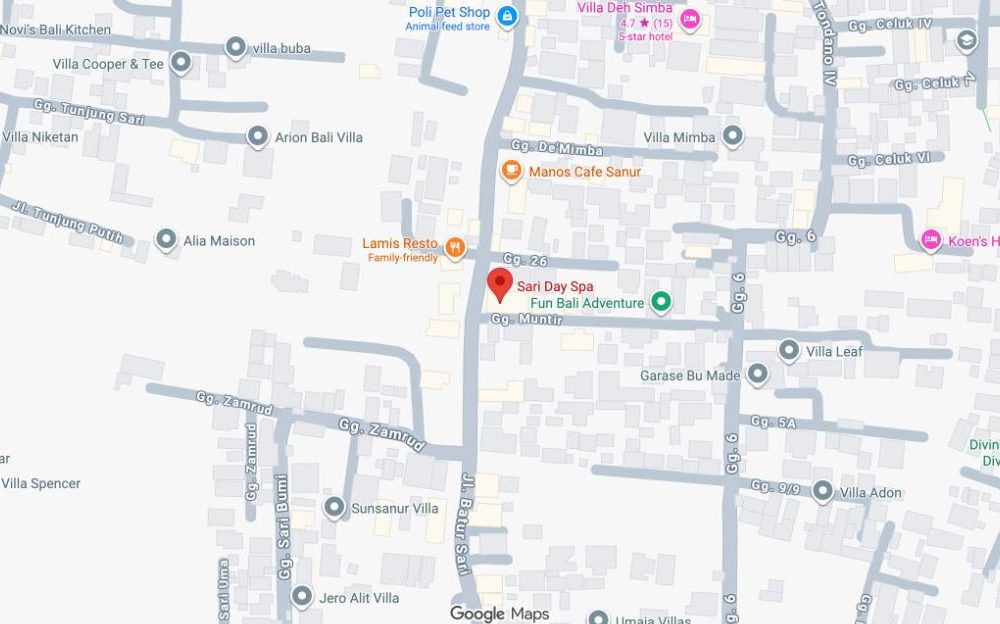 Get directions on Google Maps →
Open daily 9AM–9PM · last appointment 7:30PM